
Extra virgin olive oil has been praised for its numerous health benefits, and its consumption is often associated with the longevity and good health seen in the Mediterranean diet and in Blue Zones—regions of the world where people live much longer than average.
One of the key health benefits of extra virgin olive oil is its high concentration of monounsaturated fats, particularly oleic acid, which is known for its positive effects on heart health. A study conducted by Estruch et al. (2018) found that individuals who consumed a Mediterranean diet enriched with extra virgin olive oil had a lower risk of major cardiovascular events compared to those following a low-fat diet.
Additionally, extra virgin olive oil contains powerful antioxidants, such as phenols and oleocanthal, which have anti-inflammatory properties. A study by Covas et al. (2006) suggested that these antioxidants may contribute to the reduction of oxidative stress and inflammation, potentially lowering the risk of chronic diseases.
Furthermore, the Blue Zones—areas such as Ikaria in Greece and the island of Sardinia in Italy—have garnered attention due to the longevity and excellent health of their inhabitants. The consumption of extra virgin olive oil is a common dietary thread among these populations, further highlighting its potential health benefits.
Incorporating extra virgin olive oil into one’s diet not only adds a delicious flavor to meals, but it also offers various health advantages that contribute to overall well-being.
I have made a habit of ingesting two tablespoons of EVOO every morning, along with my supplements. I’m a little concerned about my supply of high-quality olive oil, though.
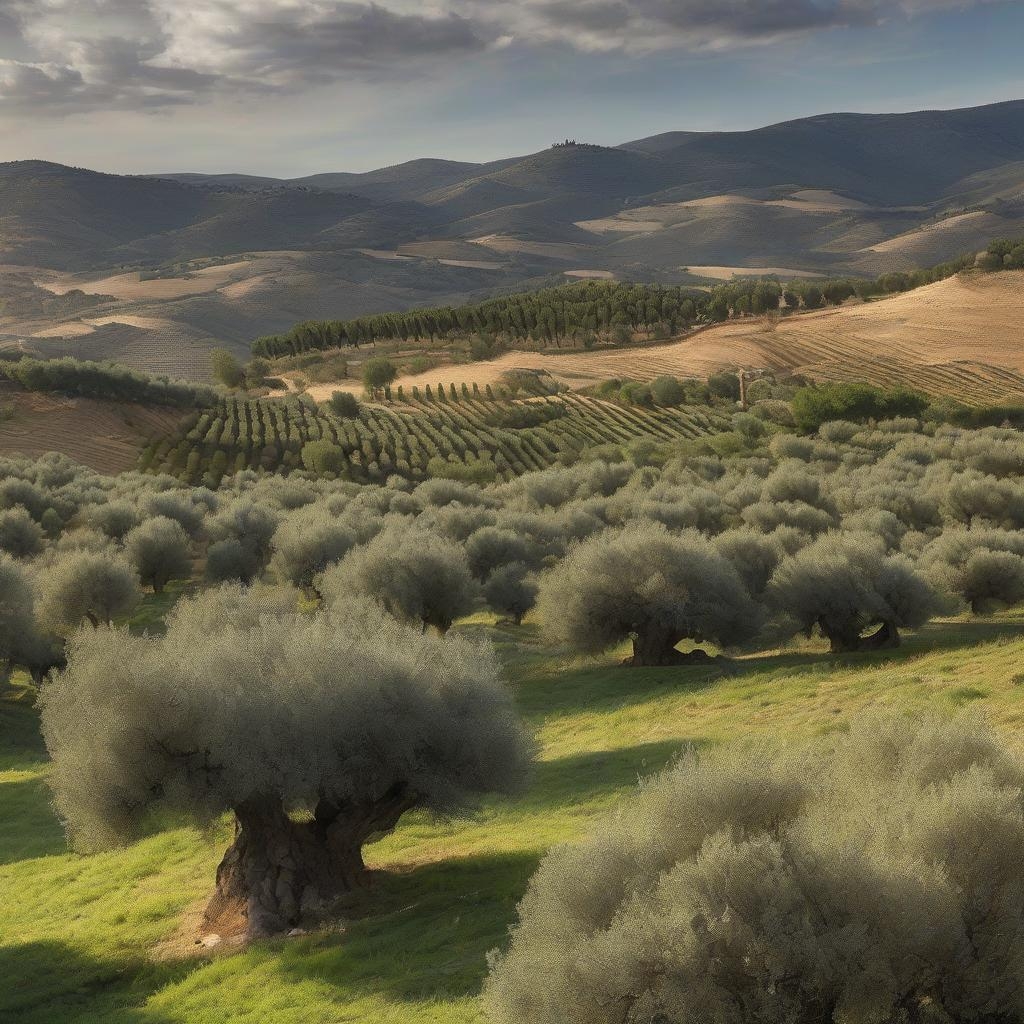
There are several factors contributing to the anticipated decrease in the olive harvest this year. Adverse weather conditions in major olive oil-producing regions, such as frost, drought, excessive rainfall, or extreme temperatures, have had a detrimental impact on the growth and quality of olives. These weather-related challenges have led to a lower overall yield and are expected to result in a reduced supply of olive oil.
Furthermore, the prevalence of pests like the olive fruit fly has also contributed to this year’s poor olive harvest. The damage caused by these pests has further diminished the quantity and quality of olives available for oil production, thereby impacting the overall olive oil output.
Given these combined factors, it is expected that the olive oil production for this year will be significantly lower than usual, which may have implications for availability and pricing of extra virgin olive oil. It may be time to stock up on my favorites, before they become scarce.
 The Mindful Vet